Do More People Die During Full Moons?
Full Moons & Final Calls: Is There Something to It?
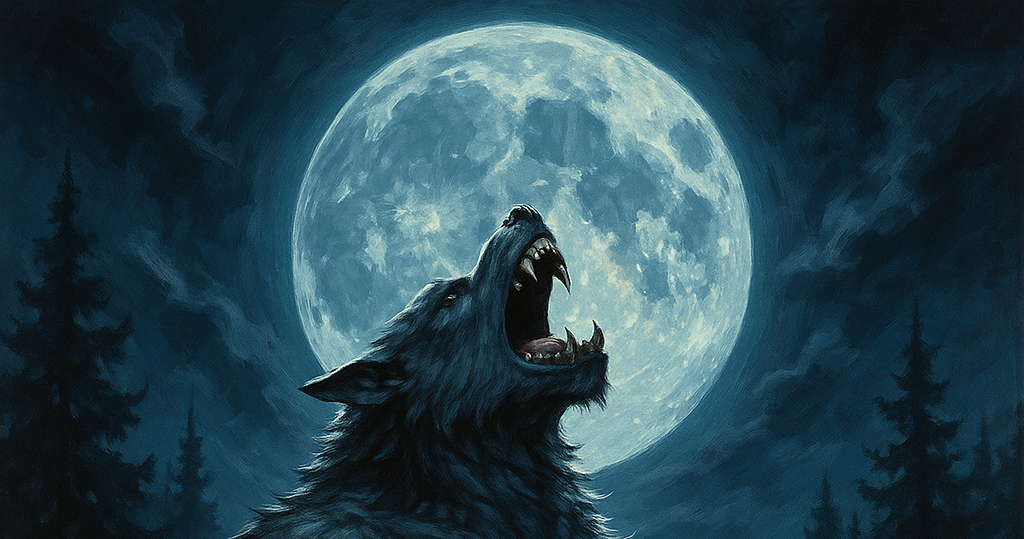
Ask anyone who works the night shift — ER nurses, first responders, funeral directors — and you’ll probably hear it:
The full moon brings the weird ones.
Spikes in accidents. Odd phone calls. Unexpected deaths. Sudden chaos that can’t be explained away. And while we might laugh about it at the time, we also tend to glance up at the sky and check: Yep. Full moon.
So, is it real?
The idea that a full moon pulls on our behavior the way it pulls on ocean tides has been around forever. Literally. Ancient civilizations tracked moon phases for farming, ceremonies, and healing. Victorian doctors once blamed the moon for changes in mental health. And the word lunatic? It comes straight from luna, the Latin word for moon.
Even today, some emergency rooms quietly brace for busy shifts on full moons. First responders swap stories. Funeral professionals—ourselves included—have noticed a pattern too: strange circumstances, sudden deaths, and more unpredictable calls around the time of a full moon.
Of course, there’s also the werewolf thing. But we’ll leave that to the movies.
What does science say?
Most modern studies have looked into the connection between the full moon and things like violent crime, ER visits, or suicide rates. And so far? The data doesn’t show a strong link. Researchers chalk most patterns up to chance, selective memory, or the very human habit of noticing what stands out.
In other words, science doesn’t blame the moon. But it doesn’t totally dismiss the idea either.
That said, when your work is closely tied to life and death, you develop a kind of sixth sense. It’s not superstition—it’s observation. You start to notice what happens when, and sometimes, the moon’s full glow lines up with some pretty uncanny nights.
Let’s call that an occupational perk.
Why it matters, even if it’s not “true”
Even if there’s no hard evidence linking the full moon to death, its effect is real in other ways. The full moon changes the way the world looks and feels: shadows deepen, light shifts, the night feels heavier. For those working the midnight hours—embalmers, caretakers, dispatchers—those details matter. The atmosphere itself feels different.
And for many families, cultural or spiritual traditions honor the moon’s phases. Pagan, Indigenous, and folk rituals see the full moon as a powerful time—when transitions happen, when doors open between this life and whatever comes next. As funeral professionals, understanding these beliefs matters. It helps us care for people with greater empathy and respect.
The bottom line?
Maybe the moon doesn’t cause more deaths. But it does change something—for some people, in some moments. It stirs the air. It sharpens memory. And when that silver light spills into the quiet hours, we don’t mind admitting: we notice, too.
Whatever the moon’s role may be, death care doesn’t wait. We’re here whether it’s calm or chaotic, full moon or not.
But if it is a full moon… well, we wouldn’t be surprised if the phones ring a little more than usual.
Scott